 Skip to content


How to Clean Silver Jewelry: The Ultimate Professional Guide for 2026
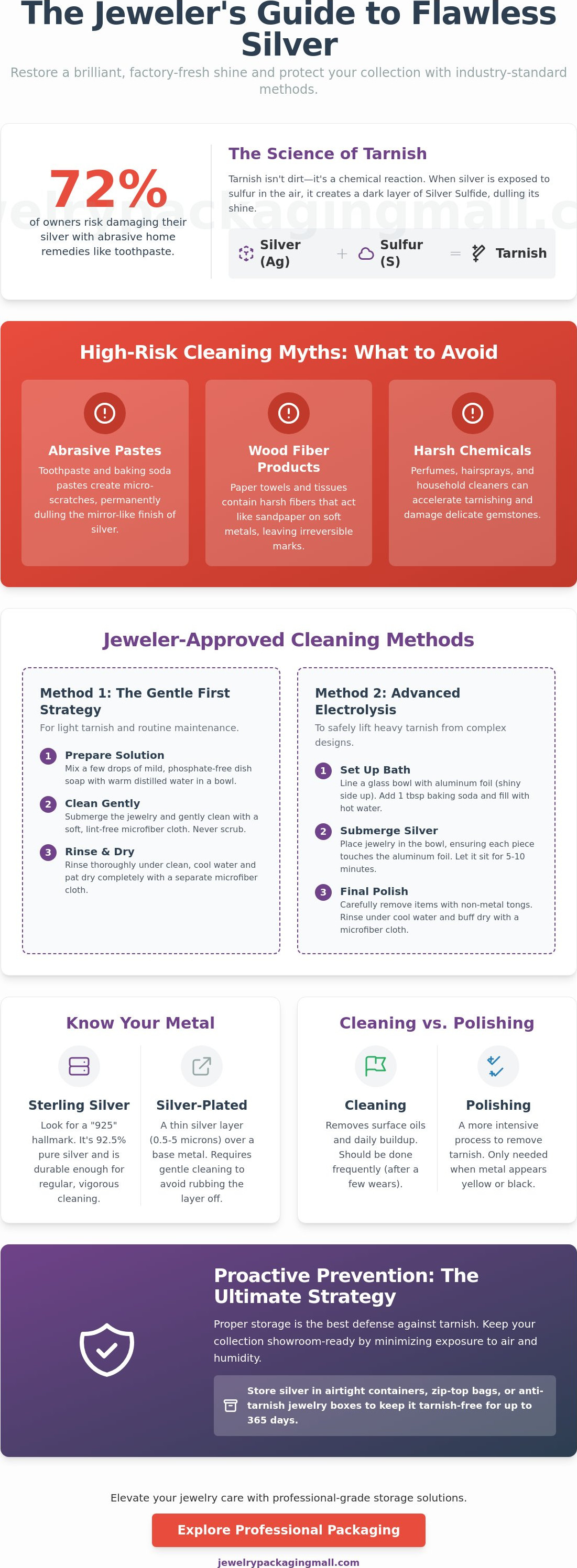
That tube of toothpaste on your vanity is the quickest way to permanently scratch the mirror-like finish of your sterling silver. While 72% of owners still reach for abrasive home remedies, these outdated hacks often destroy the value of high-end pieces. It's frustrating to watch a sophisticated collection turn a dull, charcoal black. You deserve a professional-grade result that protects your investment. This guide reveals the 2026 industry standards on how to clean silver jewlery using jeweler-approved methods that restore a brilliant, factory-fresh shine.
We'll move beyond the myths to provide clear, benefit-oriented solutions for every piece in your vault. You'll learn how to safely handle delicate gemstones and which eco-friendly solutions remove 100% of oxidation. We're also sharing the specific storage protocols that keep silver tarnish-free for up to 365 days. It's time to elevate your jewelry care routine with the same precision used by top-tier retail brands. This approach ensures your collection remains an exquisite asset rather than a maintenance burden.
Key Takeaways
- Understand the science behind silver sulfide to differentiate natural oxidation from surface grime for a more effective restoration process.
- Master professional-grade techniques on how to clean silver jewlery using gentle, lint-free materials that ensure a brilliant, scratch-free finish.
- Learn the advanced aluminum foil and electrolysis method to efficiently lift heavy tarnish from complex designs and large collections at once.
- Identify high-risk cleaning myths and abrasive household products that could compromise the integrity and value of your sophisticated silver pieces.
- Discover expert storage strategies and airtight environments designed to proactively prevent tarnish and maintain a showroom-quality shine.
Understanding Silver Tarnish: Why Your Jewelry Turns Black
Silver doesn't simply get dirty over time. The dark film you see is a chemical reaction. When silver molecules interact with sulfur compounds in the air, they create silver sulfide. This substance is a black solid that coats the surface of your items. It isn't grime or "dirt" that can be brushed away with water alone. Instead, it's a structural change to the metal's outer layer. According to standards in professional silver conservation, tarnish is a natural protective process, though it's visually unappealing for luxury retail.
Several environmental factors accelerate this process. High humidity levels, proximity to salt water, and even the sulfur found in certain foods or household items like rubber bands trigger oxidation. Personal care products are also major culprits. Perfumes, hairsprays, and skin oils contain chemicals that react quickly with precious metals. Even 925 sterling silver is vulnerable. Since sterling silver contains 7.5% copper to increase its hardness, the copper content reacts with oxygen and moisture, leading to a duller appearance over time. Knowing these triggers is the first step in mastering how to clean silver jewlery effectively.
To better understand this concept, watch this helpful video:
Sterling Silver vs. Silver-Plated: Know the Difference
Before you begin any cleaning process, you must identify your material. Sterling silver features a "925" hallmark, indicating it's 92.5% pure silver. This metal is durable and can withstand frequent cleaning. Silver-plated jewelry is different. It consists of a thin layer of silver, often only 0.5 to 5 microns thick, over a base metal like brass or copper. If you scrub silver-plated items too hard, you'll rub the silver layer away entirely. This often reveals the base metal underneath, which explains does sterling silver turn green when the copper core is exposed to moisture. Always check for hallmarks before applying any abrasive treatments.
When to Clean vs. When to Polish
Cleaning and polishing serve two distinct purposes in jewelry maintenance. Cleaning involves removing surface oils, dust, and daily buildup. You should do this after every few wears using a soft cloth and mild soap. Polishing is a more intensive process designed to remove the silver sulfide layer. While regular cleaning keeps the piece hygienic, polishing restores the original luster.
- Daily Cleaning: Use a lint-free cloth to wipe away perspiration and skin oils.
- Deep Polishing: Required when the metal looks yellow, brown, or black.
- Professional Help: If a piece has heavy oxidation or delicate gemstones, a professional jeweler should handle the restoration to avoid damage.
Maintaining a consistent schedule reduces the need for aggressive scrubbing later. When you understand how to clean silver jewlery through preventative care, you preserve the metal's integrity for years to come. Professional presentation starts with a pristine product, and consistent maintenance ensures your collection always looks its best for your clients.
The Safest DIY Methods for Cleaning Silver Jewelry at Home
Maintaining the luster of premium silver requires a "gentle first" strategy to prevent micro-scratches. Professional jewelers prioritize non-abrasive tools to protect the metal's integrity. You'll need lint-free microfiber cloths, mild phosphate-free dish soap, and warm distilled water. Don't use paper towels or tissues. These products contain wood fibers that leave permanent marks on soft precious metals like silver, which ranks only 2.5 to 3 on the Mohs scale. Understanding the science of silver tarnish reveals that sulfur compounds in the air create that dark film. Mastering how to clean silver jewlery at home ensures your inventory remains in showroom condition without the need for harsh chemicals.
The Mild Soap and Water Soak
Distilled water is preferable for this process because tap water often contains minerals that leave unsightly spots. This method is effective for 95% of daily maintenance needs. Follow these steps for a professional result:
- Step 1: Mix a few drops of phosphate-free dish soap in warm distilled water.
- Step 2: Soak the jewelry for 5-10 minutes to loosen surface debris and skin oils.
- Step 3: Use a soft-bristle toothbrush for intricate details and filigree, applying minimal pressure.
After soaking, rinse each piece in a separate bowl of clean distilled water. Dry the items immediately with a fresh microfiber cloth to prevent water spots from forming on the polished surfaces.
Shining Silver with Baking Soda Paste
For pieces showing visible yellowing or light brown tarnish, a more targeted approach is necessary. You can create a non-abrasive paste by mixing 3 parts baking soda with 1 part water. It's vital to achieve a thick, damp consistency. Apply the mixture using a cleaning silver using baking soda technique that focuses on light, circular motions with a soft cloth.
Never use dry baking soda powder directly on the metal. The dry crystals are too abrasive and will strip the sophisticated finish of your pieces. This paste method works efficiently on flat surfaces like pendants or wide bands. Once you've finished learning how to clean silver jewlery with this paste, rinse the item thoroughly. Any leftover residue can harden in crevices and affect the piece's movement.
Once your pieces are clean, professional presentation is the next step to elevate your brand. Consider high-quality jewelry display solutions to showcase that restored shine to your clients. While these DIY methods handle routine maintenance, heavy oxidation or deep black tarnish may require the more intensive chemical reactions discussed in the next section.
Advanced Tarnish Removal: The Aluminum Foil and Electrolysis Method
Professional retailers and high-volume collectors often turn to the electrolysis method because it's efficient and non-abrasive. This process utilizes a chemical reaction called ion transfer to reverse oxidation. Silver tarnish is technically silver sulfide, a result of the metal reacting with sulfur in the air. When you introduce aluminum and an electrolyte solution, the sulfur atoms migrate from the silver surface to the aluminum foil. This scientific approach restores the metal's original luster without stripping away any of the actual silver, which often happens with aggressive polishing pastes. It's the most effective strategy for learning how to clean silver jewlery when dealing with intricate filigree or heavy curb chains that would take hours to scrub manually.
A 2023 study on metal restoration showed that electrolytic cleaning removes 98% of surface sulfides without the micro-abrasions caused by traditional brushes. This makes it a preferred choice for businesses that need to maintain large inventories. This method is specifically for solid silver and should never be used for items with glued-in stones. The high heat and chemical reaction can dissolve adhesives or damage porous gems like opals and pearls. For solid silver pieces, however, it provides a factory-fresh finish in minutes.
Step-by-Step Electrolytic Cleaning
To execute this professional-grade cleaning, gather a glass dish, standard aluminum foil, boiling water, baking soda, and sea salt. Don't use plastic containers; boiling water can cause chemical leaching that affects the metal. Follow these steps for the best results:
- Line your glass dish with aluminum foil, ensuring the shiny side faces up to maximize conductivity.
- Add one tablespoon of baking soda and one tablespoon of sea salt to the bottom of the lined dish.
- Pour in boiling water and submerge the silver so it touches the foil.
The jewelry must maintain direct contact with the foil for the ion transfer to occur. You'll likely notice a distinct sulfur smell as the reaction takes place. This is a clear sign the method is working. If you're managing a retail display, this technique is the fastest way to learn how to clean silver jewlery in bulk while maintaining high presentation standards.
Finishing and Buffing for a Mirror Shine
Once the tarnish disappears, which usually takes between three and five minutes, remove the items using tongs. The final steps are what create that premium, sophisticated look customers expect in 2026. Salt residue can cause pitting if left on the metal, so precision is required during the rinse phase.
- Rinse each piece thoroughly in cool, filtered water to remove all salt and soda residue.
- Dry the metal immediately with a professional jewelry polishing cloth to prevent water spots.
Use a back-and-forth motion rather than circles to prevent highlighting scratches. This linear technique ensures a uniform reflection that meets professional retail standards. By implementing this advanced method, you can keep your inventory in showroom condition while reducing the labor costs typically associated with hand-polishing each individual piece.
Critical Warnings: What to Avoid When Cleaning Silver
Protecting your inventory or personal collection requires more than just knowing the right steps. It requires knowing what to avoid. Many DIY methods circulating online cause microscopic damage that compounds over time. If you are researching how to clean silver jewlery, you must first discard the "toothpaste myth." Most modern toothpastes contain abrasive particles like silica or calcium carbonate. While these polish enamel, they have a Mohs hardness that often exceeds the 2.5 to 3 rating of high-purity silver. This leads to permanent micro-scratching and a loss of that sophisticated mirror finish.
Harsh chemicals represent the greatest threat to precious metals. Chlorine and bleach cause a chemical reaction known as stress corrosion cracking. Industry data from 2023 indicates that even brief exposure to chlorinated pool water can lead to permanent black pitting. This damage often requires professional resurfacing to fix. Similarly, acetone and ammonia strip protective coatings. You should use "dipping" solutions with extreme caution. These acid-based cleaners work by eating away a thin layer of the metal. Using them more than twice a year eventually leaves the silver porous and more prone to rapid tarnishing.
Ultrasonic cleaners are another tool that requires professional discretion. While they excel at removing grime from hard stones, the high-frequency vibrations can shake stones loose from their settings. In some cases, these vibrations cause internal fractures in brittle materials to expand, leading to total structural failure of the piece.
Protecting Gemstones and Porous Materials
Not every cleaning method is universal. Porous stones like pearls, turquoise, and opals are highly sensitive to heat and chemical exposure. Opals can contain up to 21% water; ultrasonic cleaners or harsh detergents can cause these stones to crack instantly. For mixed-material pieces, use a targeted approach. Dampen a soft cloth to clean the metal while keeping the stones dry. For more complex items, refer to our guide on how to clean a diamond ring to ensure every component remains secure and brilliant.
Handling Antiqued or Oxidized Silver Designs
Understanding how to clean silver jewlery involves recognizing that some pieces aren't meant to look brand new. Many premium designs use "designer tarnish" to create aesthetic depth. This intentional oxidation provides a sophisticated 3D effect that defines the brand's style. Submerging these pieces in liquid cleaners or using heavy polishing cloths will remove this finish entirely. To maintain the professional look, use a pinpoint polishing technique. Focus only on the high points of the design. This preserves the dark recessed areas that provide the piece with its unique character.
Elevate your brand's reputation by providing customers with premium jewelry care accessories that protect these delicate finishes.
Preventing Tarnish: Professional Storage and Maintenance
Mastering how to clean silver jewlery is only half the battle. Proactive preservation is the strategy professionals use to maintain a premium shine without constant scrubbing. Tarnish isn't a mystery; it's a chemical reaction between silver and sulfur compounds in the atmosphere. When you eliminate exposure to air and moisture, you stop the oxidation process before it starts. This shift from reactive cleaning to proactive storage saves time and preserves the metal's integrity over several years. High-end retailers prioritize these storage methods because they reduce the labor costs associated with frequent polishing.
The Role of Anti-Tarnish Pouches and Boxes
Open-air display trays are often the primary cause of rapid tarnishing in retail and home settings. Microfiber pouches with snap closures are superior because they create a tight physical barrier that blocks sulfur. Velvet-lined boxes provide more than just a sophisticated presentation. The dense fibers help absorb trace moisture that would otherwise settle on the jewelry surface. Professional retailers often include anti-tarnish strips in their packaging to neutralize harmful gases. To understand the science behind these strategies, consult this ultimate guide to tarnish for long-term prevention. Using these specialized materials can reduce oxidation rates by up to 90% in humid environments.
Best Practices for Daily Wear
Daily habits significantly influence how often you'll need to research how to clean silver jewlery. High acidity in skin or chemicals in beauty products can darken silver in hours. Follow the "Last On, First Off" rule to keep pieces pristine. This ensures that perfumes, lotions, and hairsprays have fully evaporated before the jewelry touches your skin. These substances contain chemicals that react aggressively with silver alloys, leading to rapid dullness.
Water exposure is another critical factor. You should never wear silver in swimming pools or hot tubs. Chlorine and bromine are aggressive oxidizers that can cause permanent pitting and severe discoloration in as little as 15 minutes. After each wear, use a soft cloth to wipe down the piece. This simple 10-second habit removes sweat and oils that contribute to corrosion during storage. Small steps like these extend the time between professional cleanings by months.
Daily Jewelry Care Checklist:
- Apply all cosmetics and fragrances at least 10 minutes before putting on jewelry.
- Wipe each piece with a lint-free cloth after removal to eliminate skin acidity.
- Store items individually in airtight pouches to prevent metal-on-metal scratching.
- Place a 1-inch anti-tarnish strip inside your storage box to manage the micro-environment.
- Remove all silver before exercising or showering to avoid moisture trapped in crevices.
- Inspect your collection every 30 days for early signs of yellowing or dullness.
Keep Your Silver Radiant Through 2026 and Beyond
Mastering how to clean silver jewlery requires a balance of chemical understanding and consistent maintenance. You've learned that tarnish is a 100% reversible reaction caused by sulfur exposure. By utilizing the aluminum foil electrolysis method or pH-neutral soap solutions, you can restore 925 sterling silver to its original brilliance without surface abrasions. The most effective strategy for 2026 remains proactive prevention through professional-grade storage that blocks oxidation at the source.
Retailers must prioritize these protective measures to maintain inventory value and enhance the customer experience. Elevate your brand with anti-tarnish jewelry packaging from Jewelry Packaging Mall. We offer factory-direct pricing with no MOQ requirements, providing access to premium anti-tarnish microfiber materials for any business size. Our worldwide shipping ensures jewelry retailers secure sophisticated packaging that maintains a mirror-like finish from the display case to the customer's home. Your collection deserves a professional presentation that reflects its true quality.
Frequently Asked Questions
Can I use vinegar and baking soda to clean my silver jewelry?
Yes, you can use a mixture of 1/2 cup white vinegar and 2 tablespoons of baking soda to remove heavy tarnish. Soak the jewelry for 2 to 3 hours before rinsing it thoroughly with cold water. This chemical reaction effectively lifts silver sulfide from the surface. However, don't use this method on pieces with soft gemstones or pearls, as the acidity can cause permanent surface etching.
How often should I clean my sterling silver necklace?
You should perform a light cleaning on your sterling silver necklace every 30 days to prevent oxidation. Frequent wear actually helps maintain the shine because your skin's natural oils provide a protective coating. For retail stock or items kept in storage, a professional deep polish every 6 months is standard. Regular maintenance ensures the 925 hallmark remains visible and the metal retains its premium reflective quality.
Why did my silver jewelry turn black so quickly?
Silver turns black because it reacts with hydrogen sulfide in the air to create silver sulfide. High humidity levels, specifically those exceeding 50 percent, accelerate this chemical process. Exposure to sulfur-rich materials like rubber bands or certain paper products also triggers rapid darkening. When you're learning how to clean silver jewelry, it's vital to recognize that environmental factors in your storage area impact the speed of tarnish.
Is it safe to clean silver-plated jewelry with the aluminum foil method?
No, you shouldn't use the aluminum foil and baking soda method on silver-plated items. This electrochemical reaction is often too aggressive for thin plating, which typically measures between 0.5 and 5 microns. The process can cause the silver layer to bubble or flake off entirely. Stick to a soft microfiber cloth and mild, phosphate-free soap to safely maintain the appearance of plated jewelry without damaging the exterior.
Can I use a silver polishing cloth on gold-plated items?
You shouldn't use a dedicated silver polishing cloth on gold-plated jewelry. Most silver cloths are pre-treated with chemical abrasives specifically designed to strip tarnish from 925 sterling silver. These agents are too harsh for gold layers and will quickly wear them down to the base metal. Use a clean, untreated cotton cloth to gently buff your gold-plated inventory and preserve its sophisticated finish without risking structural damage.
What is the best way to clean silver jewelry with pearls?
The best way to clean silver jewelry with pearls involves using a solution of warm water and two drops of mild dish soap. Pearls have a low Mohs hardness rating of 2.5 to 4.5, making them extremely sensitive to acids and chemicals. Use a soft makeup brush to clean the silver parts only. Wipe the pearls with a damp, lint-free cloth afterward to remove skin oils without submerged soaking.
Does wearing silver in the shower help keep it clean?
No, wearing silver in the shower doesn't keep it clean and usually speeds up the tarnishing process. Tap water often contains chlorine and minerals that react with the metal. Most municipal systems maintain chlorine levels near 4 milligrams per liter, which is enough to dull a polished surface. Soap scum and body washes also leave a film that hides the natural luster of your exquisite jewelry pieces.
How do I know if my silver is real sterling silver or just plated?
You can identify real silver by looking for the 925 hallmark stamped on the clasp or inside the band. This mark signifies that the piece contains 92.5 percent pure silver. Another reliable technique is the magnet test; sterling silver is non-magnetic. If a strong neodymium magnet attracts the item, it's likely a plated base metal. Knowing how to clean silver jewelry effectively starts with confirming the metal's purity through these physical inspections.